Commercial catering is one of those industries where the difference between a smooth event and a chaotic one comes down to preparation, logistics, and the small details most guests never see. Whether you’re serving a 50-person corporate luncheon or a 500-guest wedding reception, the fundamentals stay the same: deliver food that tastes great, looks beautiful, and arrives at the perfect temperature. Behind every seamless event is a caterer who has mastered a handful of trade secrets that keep operations running on time and on point.
Prep Ahead, Then Prep Some More
 The most experienced caterers know that what happens in the kitchen the day before an event matters just as much as what happens on event day. Mise en place — having every ingredient measured, chopped, and ready — is non-negotiable. Sauces, marinades, dressings, and proteins should be portioned and labeled. Equipment checklists need to be reviewed twice. Building in a buffer for the unexpected (a delayed delivery, a venue with no prep kitchen, a last-minute headcount change) separates the pros from the amateurs.
Master Your Logistics and Timing
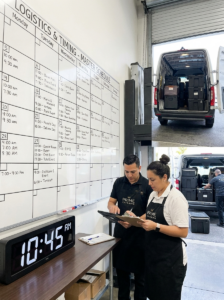
Catering is as much about logistics as it is about cooking. Knowing exactly when to start hot items, when to begin plating, and when to load the transport vehicles is what keeps food from arriving cold, soggy, or overcooked. Smart caterers map out a minute-by-minute timeline for each event and assign clear roles to every staff member. Cambros, chafers, and insulated transport boxes are your best friends for keeping hot foods hot, and a reliable cooling strategy is just as critical for everything that needs to stay cold.
Optimal Cooling Keeps Food Safe and Guests Happy
Cold food management is one of the most overlooked but most important parts of catering. The FDA’s food safety guidelines call for cold items to stay at or below 40°F, and once that threshold is crossed, you’re not just risking taste and texture — you’re risking foodborne illness. Salads, charcuterie, seafood, desserts with dairy, fruit platters, beverages, and even floral garnishes all rely on consistent cold storage from prep through service. The challenge is that most catering happens off-site, often without easy access to walk-in coolers, which means your transport coolers have to do the heavy lifting.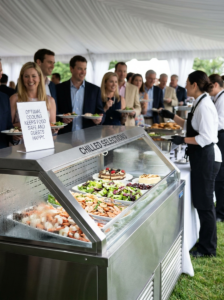
To get the most out of any cooler, start by pre-chilling it before loading. Pack items tightly to reduce air space, place the coldest items at the bottom, and keep the lid closed until service begins. The real game-changer, however, is what you put inside. Traditional bagged ice melts quickly, creates a watery mess, and can compromise packaging and presentation. That’s why more catering professionals are switching to high-performance reusable ice packs like the Icepaca Ice Pack (icepaca.com), which is engineered to keep contents cold for up to 48 hours. Its leak-proof, non-toxic, slim design fits neatly alongside trays and beverage tubs, eliminates the soggy aftermath of melted ice, and can be refrozen and reused for every event — saving money and reducing waste over the long haul.
Presentation Is the Final Ingredient
Once temperature and timing are handled, presentation seals the experience. Clean serving lines, polished chafers, fresh garnishes, and well-trained staff turn good food into a memorable event. Master these tricks of the trade, and your catering business won’t just feed guests — it will earn the repeat bookings and referrals that keep it thriving.